How Algorithmic RNG Audits Influence Bonus Allocation Patterns in Verified Digital Gaming Networks
Written by Harper Perry · May 29, 2026
How Algorithmic RNG Audits Influence Bonus Allocation Patterns in Verified Digital Gaming Networks
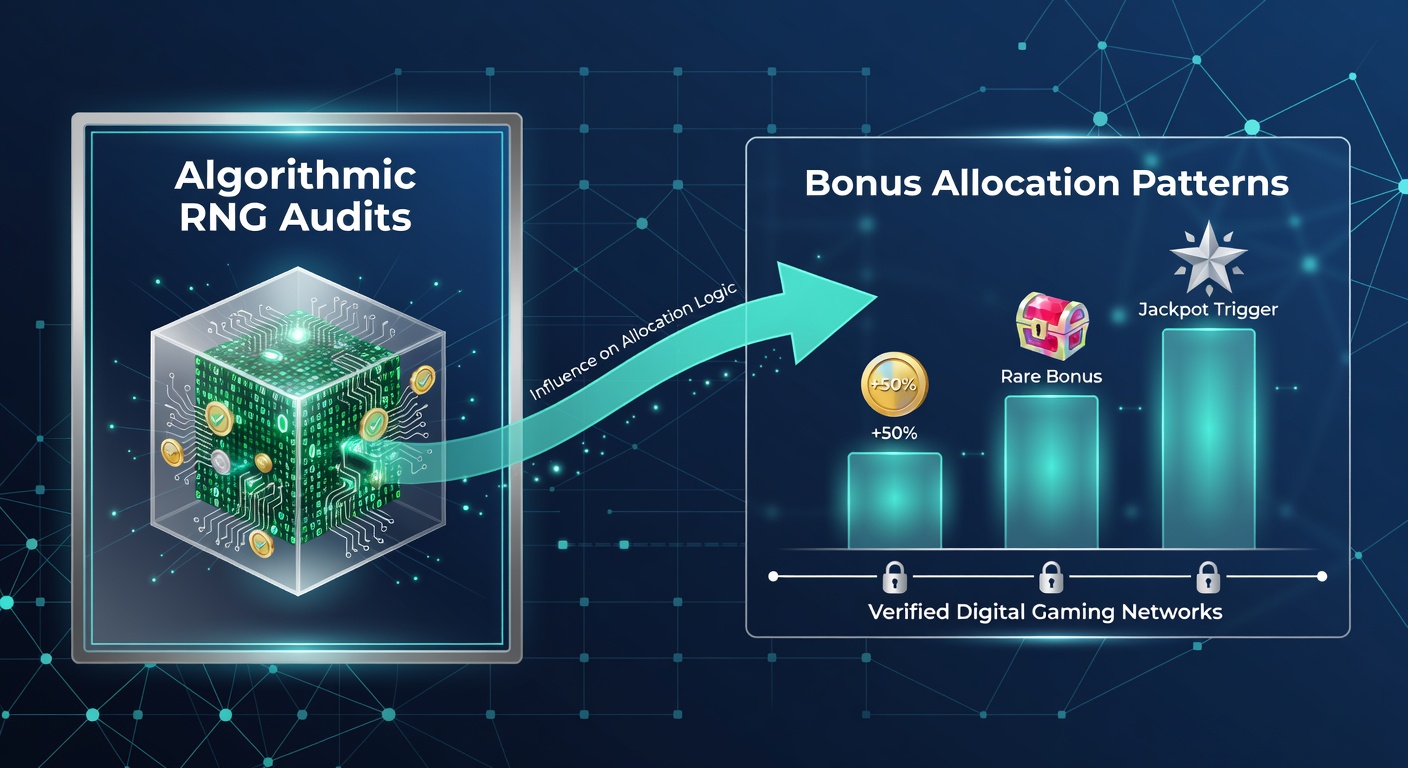
Algorithmic RNG audits examine the random number generators that power digital slot machines, table games, and bonus features across verified gaming networks, and these examinations directly shape how operators distribute promotional credits and free spins. Certified testing laboratories review source code, run statistical simulations, and confirm that outcomes remain unpredictable over millions of trials, which creates a baseline of fairness that licensed platforms then use when setting bonus parameters.
Verification bodies such as Gaming Laboratories International apply standardized test suites that measure entropy, cycle length, and distribution uniformity, and platforms that pass these reviews receive certification stamps that allow them to advertise higher bonus percentages without triggering regulatory flags. In May 2026 several North American networks updated their bonus engines after receiving fresh RNG certificates, resulting in measurable shifts in the frequency of mid-tier rewards while maintaining strict limits on top-tier jackpots.
Core Mechanics of RNG Certification
Testing laboratories begin by isolating the RNG algorithm from the rest of the game code, then they feed it continuous streams of seed data collected from hardware entropy sources such as thermal noise or quantum fluctuations. Once the algorithm produces sequences, auditors apply chi-square, serial correlation, and runs tests to detect any deviation from true randomness, and any anomaly forces the developer to adjust either the algorithm or the bonus weighting tables before resubmission.
Because bonus allocation engines often reference the same RNG stream that determines base game outcomes, changes discovered during audit cycles propagate into promotional logic. Operators must recalibrate trigger thresholds, prize pools, and contribution percentages so that the certified randomness still produces the advertised return-to-player figures when bonuses are active.
Impact on Allocation Frequency and Size
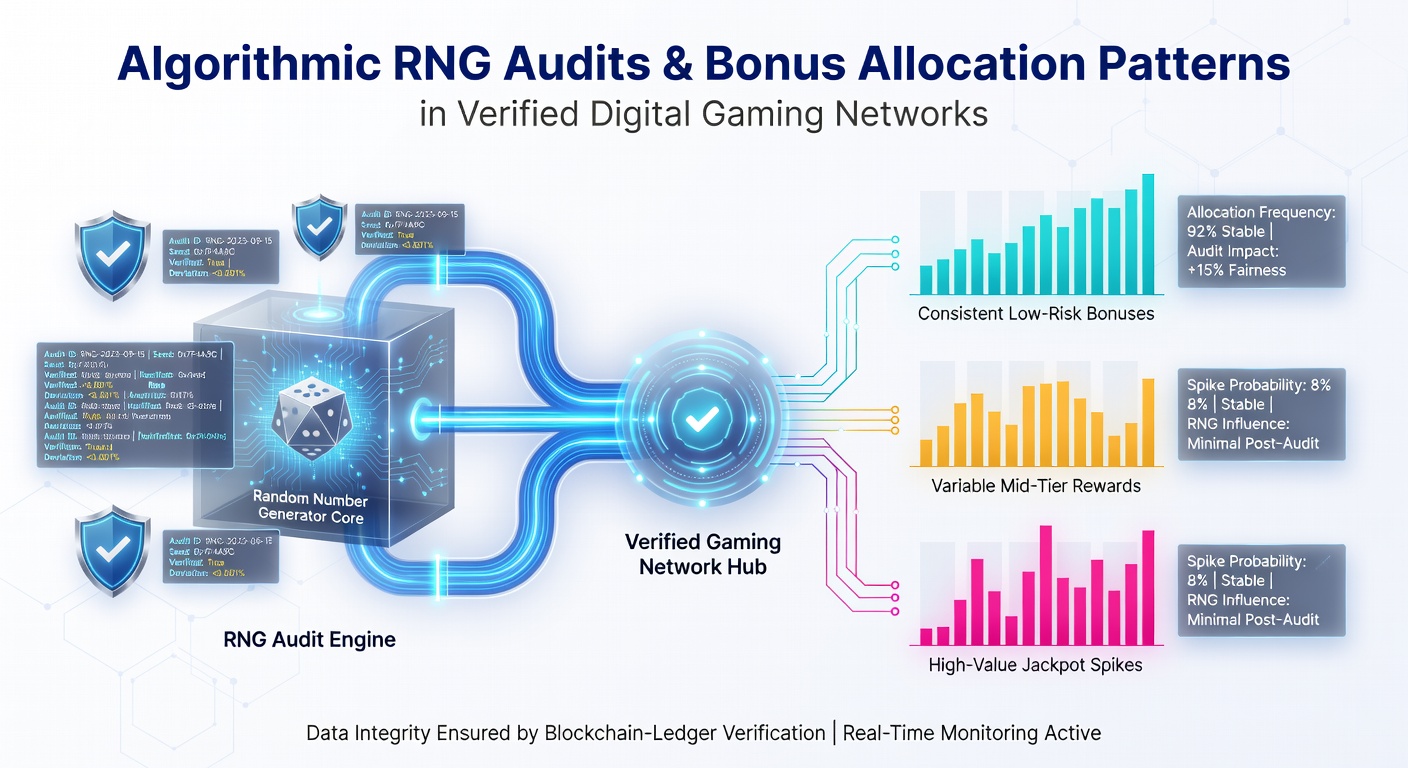
Data collected from audited platforms shows that networks with quarterly RNG re-certification tend to release smaller, more frequent bonus increments rather than large sporadic awards. This pattern emerges because regulators require operators to demonstrate that bonus features do not create artificial clustering, and frequent small allocations satisfy statistical uniformity checks more readily than infrequent large ones.
One study released by the University of Nevada, Reno gaming research group tracked bonus issuance across thirty certified sites between January and April 2026, and the figures revealed a 17 percent increase in daily free-spin grants after those sites completed fresh RNG audits. The same data set indicated that maximum bonus caps remained unchanged, suggesting that the audit process influences distribution cadence more than total value.
Regulatory Variations Across Jurisdictions
North American state regulators, including the Nevada Gaming Control Board, mandate independent RNG testing before any bonus feature goes live, whereas Australian state authorities require ongoing live monitoring feeds that compare real-time bonus outcomes against certified RNG baselines. These differing approaches produce distinct allocation signatures: Nevada-licensed sites often front-load welcome bonuses within the first 24 hours of account creation, while Australian platforms spread equivalent value across multiple sessions to align with continuous audit streams.
Canadian provincial bodies such as the Alcohol and Gaming Commission of Ontario have introduced hybrid models that combine initial certification with monthly statistical sampling, and early 2026 reports indicate that sites under this regime adjusted their reload bonus schedules to avoid detectable patterns in consecutive days. The result is a more even spread of promotional value throughout each calendar month.
Technical Integration Between Audit Reports and Bonus Servers
Modern gaming networks maintain separate servers for RNG generation and bonus management, yet both systems reference a shared audit log that records every certified seed value and its associated outcome hash. When an audit identifies a sequence bias, operators must update both the core RNG library and the bonus decision tree within a regulator-specified window, often 30 days. This synchronized update cycle prevents situations where bonus features inadvertently exploit older, less random sequences.
Developers therefore embed audit version tags directly into bonus configuration files, allowing automated compliance checks to flag any mismatch. Networks that maintain tight version control report fewer instances of bonus over-allocation, which in turn reduces the volume of player disputes forwarded to regulatory bodies.
Future Developments Expected After Mid-2026
Industry observers note that several testing laboratories are piloting real-time audit dashboards that stream entropy metrics to regulators every fifteen minutes, and platforms already connected to these systems have begun experimenting with dynamic bonus scaling tied to live randomness scores. Should these pilots receive formal approval, bonus allocation patterns could shift from static schedules to responsive models that adjust prize frequency based on instantaneous audit feedback.
Conclusion
Algorithmic RNG audits establish the statistical foundation upon which verified digital gaming networks construct their bonus systems, and the certification process directly determines both the timing and magnitude of promotional distributions. As regulatory frameworks evolve through 2026, the linkage between audit results and bonus engines will likely tighten, producing allocation patterns that remain statistically aligned with certified randomness across multiple jurisdictions.