Regional Disparities in Digital Transaction Protections Across Gaming Platforms Worldwide
Written by Harper Otto · Jul 17, 2026
Regional Disparities in Digital Transaction Protections Across Gaming Platforms Worldwide
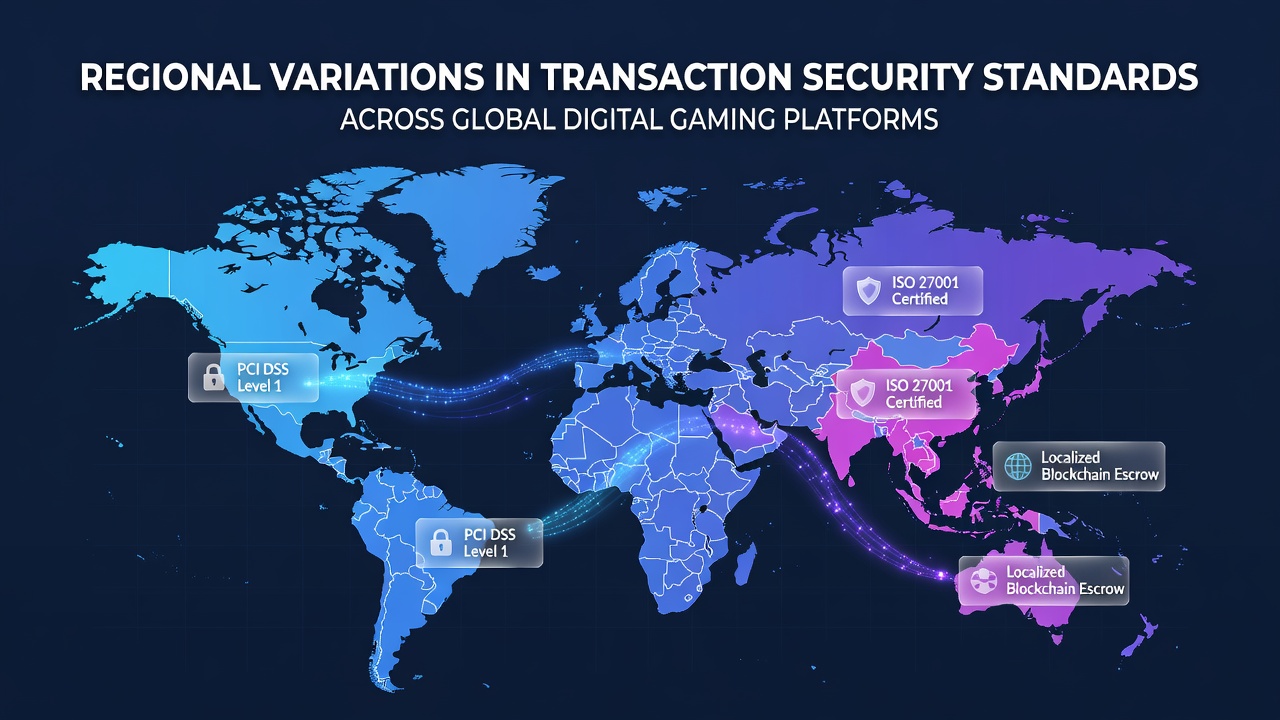
Transaction security standards for digital gaming platforms show marked differences depending on the regulatory environment in each region, with rules shaped by local laws, technological infrastructure, and enforcement mechanisms. Observers note that these variations affect how platforms handle payment processing, data encryption, and fraud detection, creating distinct operational landscapes for operators and users alike. Research from multiple jurisdictions reveals that what counts as adequate protection in one area often falls short of requirements elsewhere, prompting platforms to adapt their systems accordingly.
North American Approaches to Payment Safeguards
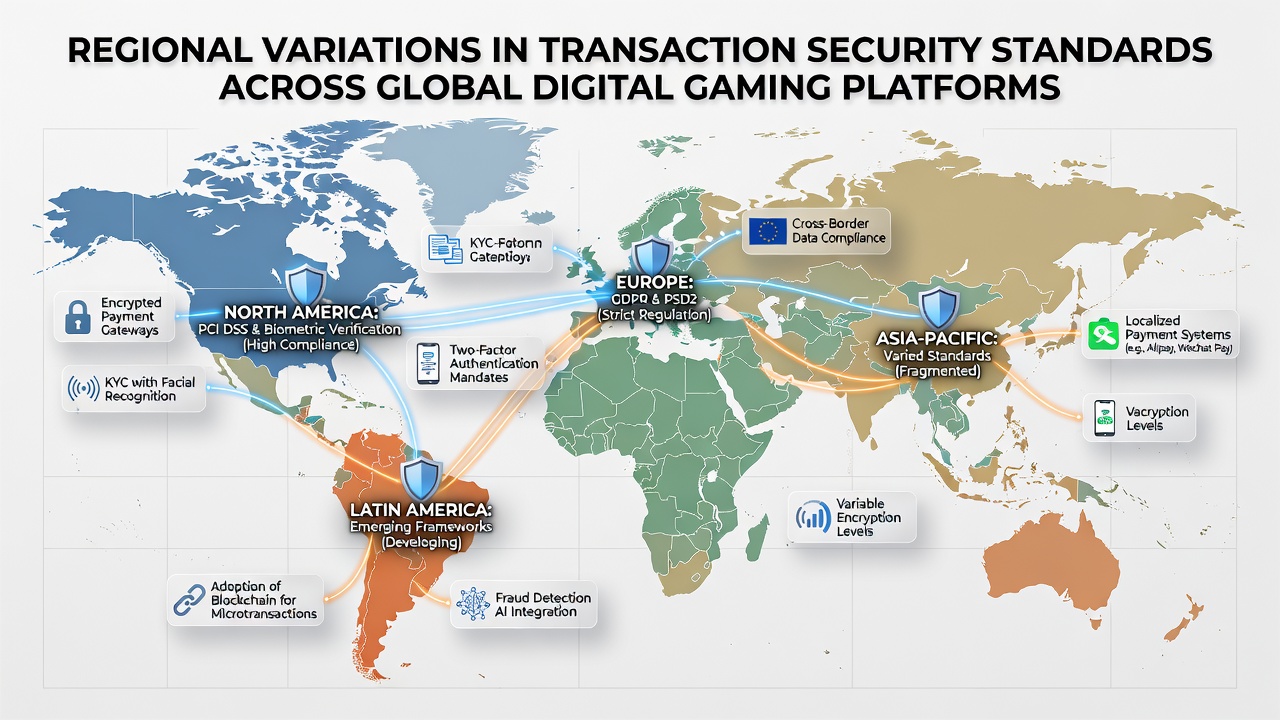
North American standards emphasize compliance with federal and state-level cybersecurity frameworks, where entities like the National Institute of Standards and Technology provide guidelines on encryption and access controls that many gaming operators incorporate into their transaction systems. In the United States, platforms must navigate a patchwork of rules across different states, with some requiring multi-factor authentication for all financial transfers while others focus more on audit trails and reporting obligations. Canadian provinces apply similar layered requirements, though enforcement tends to prioritize real-time monitoring of suspicious activity patterns. Data from industry reports shows these measures have reduced certain types of fraud incidents in licensed environments, yet cross-border transactions still face additional verification hurdles due to differing provincial and state rules.
European Union Frameworks and Harmonization Efforts
European platforms operate under directives that promote consistent baseline protections, including strict data protection rules and payment service regulations that mandate tokenization for card transactions and regular security assessments. Countries within the bloc often add national specifications, such as enhanced logging for high-value transfers or mandatory penetration testing schedules, which create slight but noticeable differences in implementation. The European Union Agency for Cybersecurity has documented how these combined standards influence platform architecture, leading many operators to deploy region-specific modules that address both overarching directives and local expectations. Figures reveal that compliance costs vary significantly between member states, influencing which markets see faster adoption of newer authentication technologies.
Asia-Pacific Regional Requirements
Markets across Asia-Pacific demonstrate even greater diversity in transaction security protocols, driven by rapid digital adoption and varying levels of regulatory maturity. Singapore and Japan maintain rigorous encryption standards alongside requirements for localized data storage, which affects how platforms manage cross-border payment flows. In contrast, emerging markets in Southeast Asia often blend international best practices with domestic rules focused on consumer protection and anti-money laundering checks. Observers have noted that platforms active in multiple Asian jurisdictions frequently maintain separate compliance teams to handle these nuances, particularly around biometric verification mandates that some countries enforce more strictly than others. Reports indicate these differences have shaped platform strategies, with some choosing to limit service availability in regions where standards evolve quickly.
Comparative Impacts on Platform Operations
Platforms serving global audiences must reconcile these regional differences through modular security architectures that allow customization without compromising core functionality. Studies show that operators investing in flexible systems experience smoother regulatory approvals across borders, whereas rigid setups often require costly retrofits when standards update. In July 2026 several jurisdictions introduced revised guidelines on quantum-resistant encryption, accelerating timelines for technology upgrades in affected markets. Those who've examined transaction logs across regions find that fraud patterns shift in response to these changes, with attackers targeting areas where standards lag behind others. Australian regulatory bodies, for instance, have highlighted successful integration of real-time risk scoring tools that differ from approaches used in North American and European contexts.
Emerging Trends and Future Adjustments
Technological advancements continue to influence how regions refine their transaction security expectations, with artificial intelligence tools for anomaly detection gaining traction in multiple markets. Evidence suggests that platforms adopting these tools report improved detection rates, though integration timelines depend on local approval processes. Researchers have documented cases where updated standards prompted operators to form partnerships with regional fintech providers to meet specific technical criteria. What's interesting is how these collaborations sometimes lead to shared security innovations that later influence broader industry practices. Data indicates continued divergence rather than convergence in the near term, as each region prioritizes threats most relevant to its user base and infrastructure.
Conclusion
Regional variations in transaction security standards create a complex environment for global digital gaming platforms, requiring ongoing adaptation to maintain compliance and operational efficiency. The differences stem from distinct legal traditions, enforcement priorities, and technological capacities across continents. As new guidelines emerge, platforms that monitor these shifts closely position themselves to handle transactions securely regardless of user location.