Scotts Valley Pomo Tribe Debuts Modular Gaming Venue on Trust Land Near Vallejo Highway
Written by Harper Perry · Jul 29, 2026

Scotts Valley Pomo Tribe Debuts Modular Gaming Venue on Trust Land Near Vallejo Highway
The Scotts Valley Band of Pomo Indians opened a temporary Class II gaming hall on its 128-acre trust land near Highway 37 in Vallejo, California during July 2026, with the modular facility featuring bingo-style electronic machines and operating as a soft-launch preview venue under the Indian Gaming Regulatory Act.
Because the site sits on restored tribal trust land, the operation does not require a state compact, allowing the tribe to proceed while federal officials reconsider the restored-lands determination that governs future development rights.
Facility Details and Operational Setup
Workers installed the modular structure to house electronic bingo terminals that comply with federal Class II standards, and the venue opened for initial play without table games or slot machines that would trigger additional regulatory layers. City officials in Vallejo approved a municipal services agreement beforehand, covering public safety, road access, and utility coordination for the temporary site while larger plans advance.
The 128-acre parcel lies directly off Highway 37, giving travelers from the Bay Area and points north easy access during the preview period, and the tribe positioned the modular hall to test market response ahead of a full-scale casino-resort project still in development.
Legal Framework and Federal Process
Under the Indian Gaming Regulatory Act, Class II facilities such as bingo halls operate without state-tribal compacts when located on qualifying Indian lands, and the Scotts Valley Band relies on that provision for the current venue. Federal reconsideration of the restored-lands determination remains pending, yet the tribe continues site preparation and design work for the larger resort complex that would eventually replace the temporary structure.
Observers note the municipal services agreement provides a framework for local coordination, including traffic management and emergency response protocols that align with both city and tribal interests during the soft-launch phase.
Path Toward Expanded Development
The tribe has stated it will use revenue and operational data from the temporary hall to refine plans for the permanent casino-resort, and construction timelines depend on the outcome of the federal restored-lands review now underway. Vallejo city leaders have already endorsed the services agreement, signaling continued cooperation as the project moves from preview operations to full build-out on the same trust land parcel.
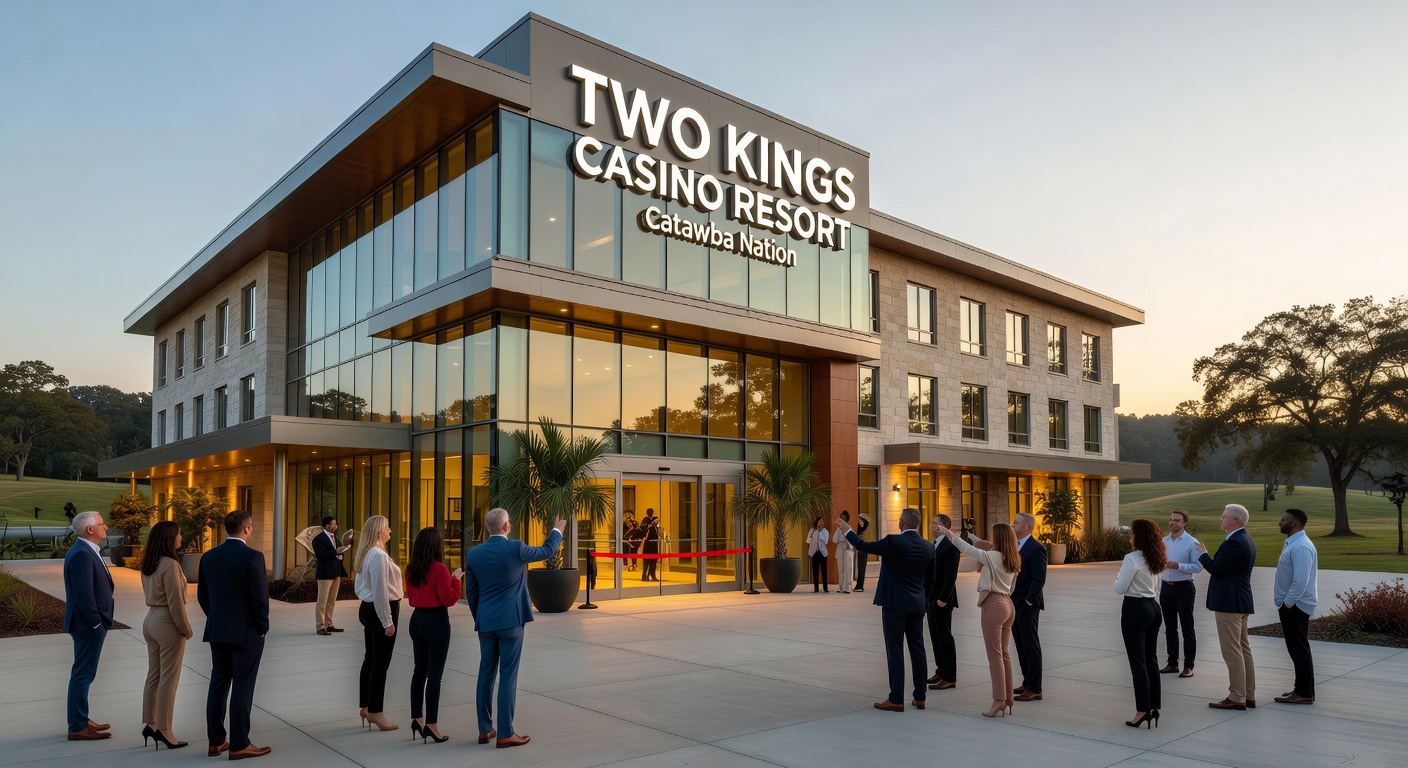
Staff at the venue focus on player education and machine maintenance during the initial weeks, while tribal gaming regulators monitor compliance with federal standards that govern all Class II activity. The modular design allows the tribe to adjust capacity quickly based on early visitation patterns without committing permanent infrastructure until the restored-lands matter reaches resolution.
Community and Regulatory Coordination
Vallejo municipal departments worked with tribal representatives to finalize the services agreement, which outlines shared responsibilities for infrastructure support throughout the temporary gaming period. The agreement covers items such as water, sewer connections, and law enforcement assistance, ensuring the modular facility integrates smoothly with surrounding city operations near Highway 37.
Because the site qualifies as Indian trust land, the National Indian Gaming Commission retains primary oversight authority, and the tribe files required reports on machine counts and revenue figures directly to that federal body rather than state agencies.
Conclusion
The opening of the temporary Class II gaming hall marks a measured step in the Scotts Valley Band of Pomo Indians' long-term development strategy on its 128-acre Vallejo trust land, wth the modular facility providing immediate operations while federal review and resort planning continue. The municipal services agreement and federal regulatory pathway together establish the operational foundation for both current preview activities and future expansion on the same parcel.