Shadow Markets: 2025 Data Uncovers $5 Trillion in Global Unregulated Betting
Written by Harper Otto · Aug 19, 2026

Shadow Markets: 2025 Data Uncovers $5 Trillion in Global Unregulated Betting
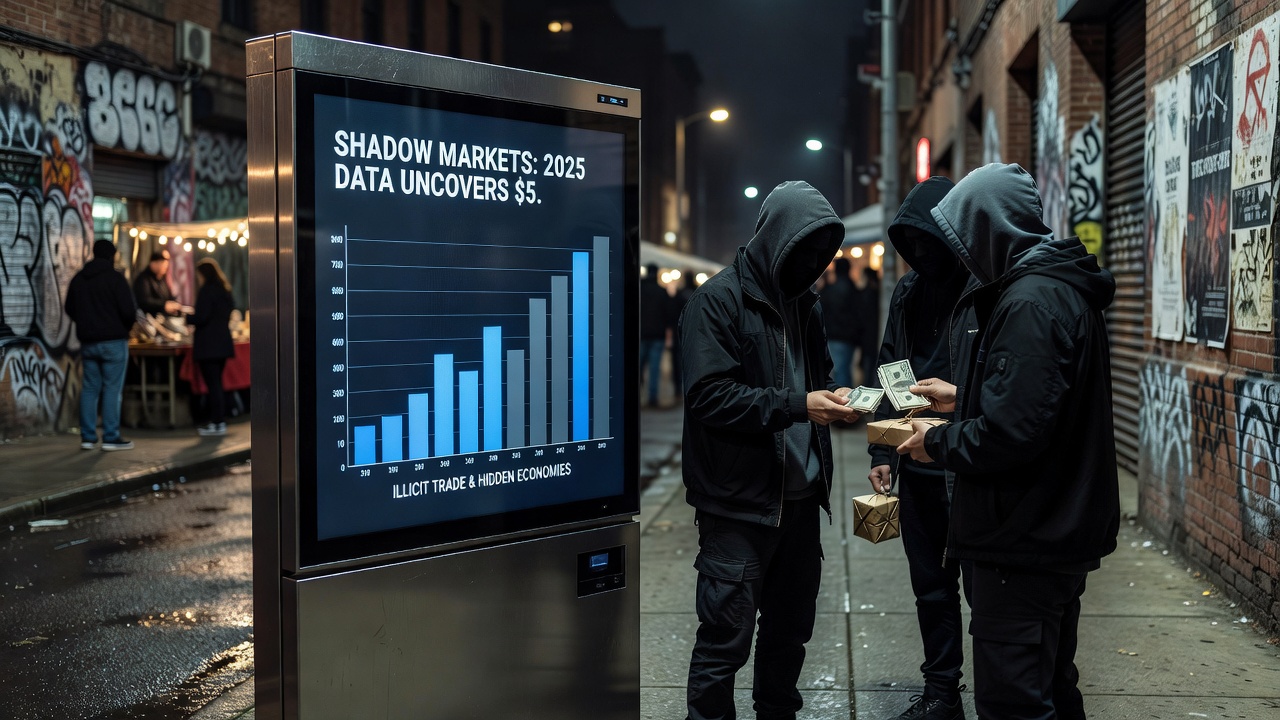
Shadow markets in online gambling encompass platforms operating outside established regulatory frameworks, and 2025 figures place their annual volume near five trillion dollars across multiple regions. These networks handle transactions through cryptocurrency channels, offshore servers, and proxy services that bypass licensing requirements in many jurisdictions. Data compiled from transaction monitoring firms and law enforcement intercepts shows consistent growth in these channels despite enforcement actions in several countries.
Regional Patterns in Unregulated Activity
Asia-Pacific markets account for a substantial share of the total, with operators based in Southeast Asia serving users across borders where local laws restrict licensed options. European flows concentrate in jurisdictions with strict deposit limits or advertising bans, while North American activity often routes through virtual private networks and anonymous payment methods. Observers note that mobile applications designed to mimic licensed interfaces facilitate much of this traffic, allowing users to access games without triggering standard verification protocols.
Australian authorities documented rising cryptocurrency transfers linked to offshore sites during 2025, prompting coordinated reviews with financial intelligence units. Similar patterns appear in Canadian provincial reports, where unregulated poker and sports betting volumes grew alongside licensed offerings. In both cases, the absence of player protections and tax collection remains a central concern for government agencies tracking these markets.
Payment and Technology Infrastructure
Operators rely on layered payment processors that convert fiat currency into digital assets before routing funds to offshore wallets. Blockchain analytics firms tracked over two hundred thousand distinct wallet addresses associated with shadow platforms in 2025 alone. These addresses frequently interact with mixers and tumblers that obscure transaction trails, complicating efforts by regulators to identify operators.
Software providers supply white-label casino and sportsbook engines that unlicensed sites customize with minimal branding changes. Live dealer feeds sourced from studios in Eastern Europe and Central Asia appear on many of these platforms, delivering real-time gameplay without direct ties to any licensed entity. Algorithm updates that adjust odds or bonus structures occur rapidly, often within hours of market shifts detected through automated scraping tools.
Enforcement Developments Through Mid-2026
By August 2026 several international task forces had expanded data-sharing agreements covering cryptocurrency exchanges and domain registrars. These arrangements build on earlier 2025 seizures of domain portfolios and freezing of associated digital wallets. Enforcement remains uneven, however, because many servers operate in jurisdictions with limited cooperation treaties.
Financial institutions in multiple countries implemented enhanced screening for gambling-related keywords in transaction descriptions, yet shadow operators continue to mask activity through e-commerce descriptors and gaming-adjacent merchant codes. Researchers at academic centers studying financial crime note that the speed of adaptation by these networks often outpaces the rollout of new detection tools.
Impact on Licensed Sectors
Licensed operators report competitive pressure from shadow platforms that offer higher payout percentages and fewer restrictions on bet sizes. Tax revenue projections in regulated markets factor in leakage estimates derived from 2025 volume comparisons. Industry associations in North America and Europe track player migration metrics through surveys and affiliate data, revealing consistent percentages of users who move between licensed and unregulated environments within single sessions.
Player verification standards required by licensed platforms contrast sharply with the minimal checks common on shadow sites, creating measurable differences in fraud rates and dispute volumes. Government agencies continue to evaluate whether expanded licensed options can draw activity back into monitored channels, citing examples from jurisdictions that recently liberalized online betting rules.
Conclusion
Five trillion dollars in estimated 2025 activity underscores the scale of shadow gambling markets and the ongoing challenge they present to regulatory systems worldwide. Continued monitoring by financial intelligence units, academic researchers, and cross-border task forces provides the primary source of data on these networks. Future reporting cycles will determine whether enforcement measures or shifts in licensed market availability alter the current trajectory.